
This page uses only officially released material and live gameplay footage. Due to NDA, internal design files and process work are not shown; the full case can be discussed in detail in an interview.
Over three and a half years, I worked as an interaction designer on this large-scale open-world ARPG as it moved from development to launch. Games are among the most interaction-dense products there are — countless states, dense information, fast inputs. My job was translation: turning sprawling gameplay logic into interfaces and flows players can grasp intuitively and operate without thinking. That translation spanned three layers: combat, systems, and cross-platform input.
01
Real-time interaction in combat
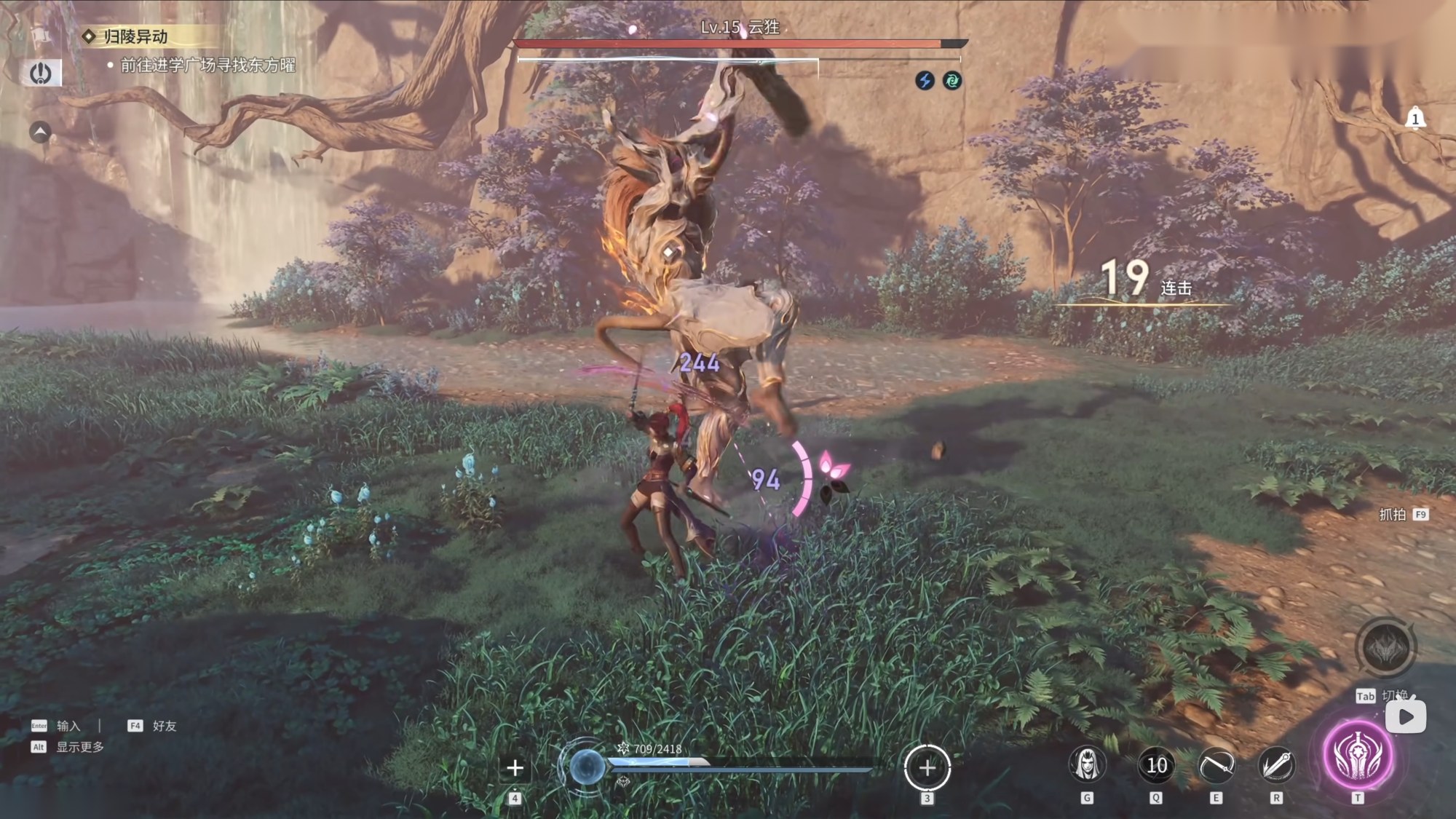
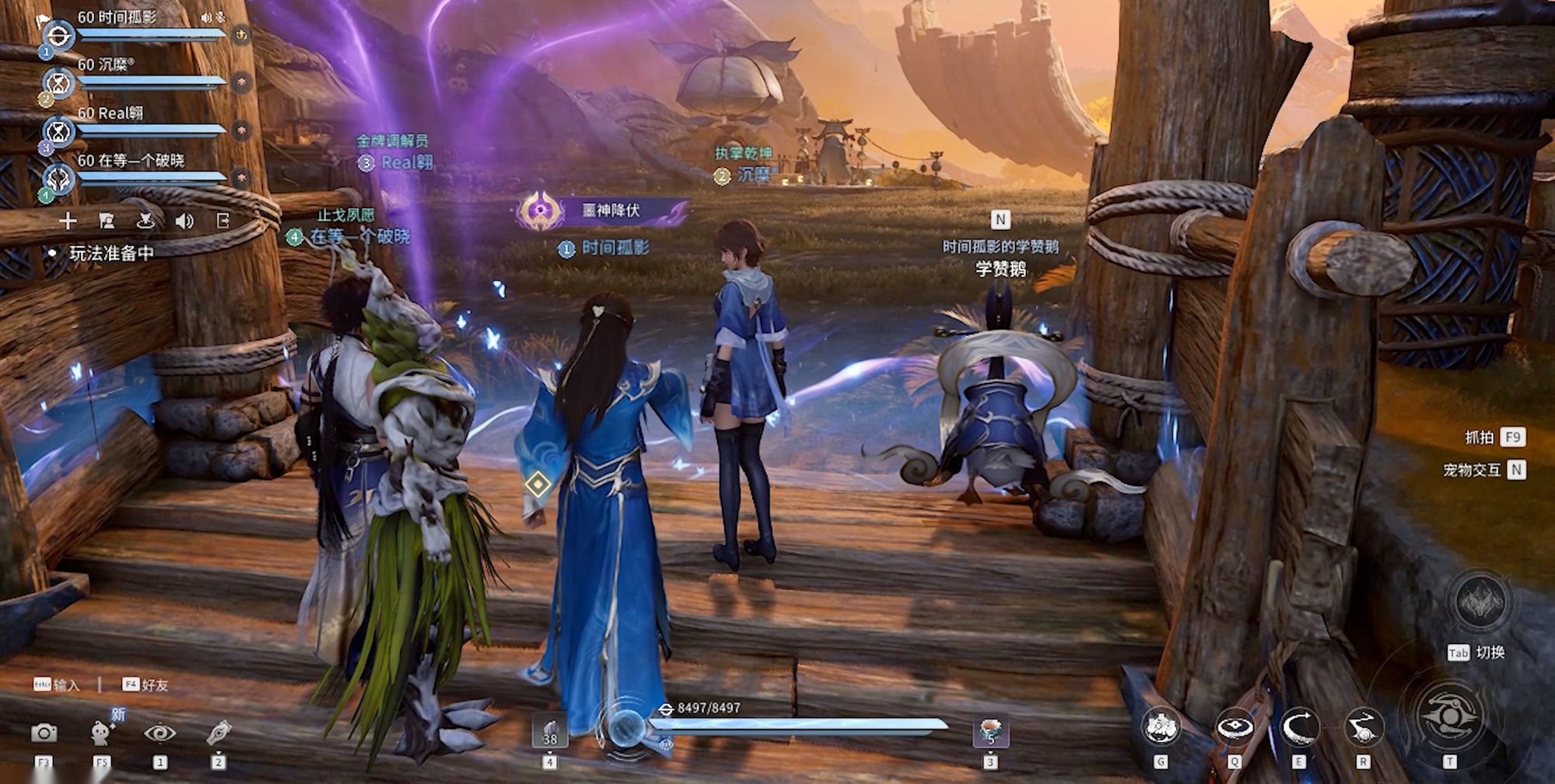
The battle HUD is one of the harshest environments in interaction design: the player's attention is on the enemy, and the interface can only be read with peripheral vision. I owned the interaction design of health bars, the skill wheel, and combat status information — deciding what stays persistent, what appears on events, and what demands a hard interrupt. It is, at heart, budgeting the player's attention: every pixel of information has to answer "does the player need this right now?" Damage numbers were a module I owned end to end. They must stay readable under rapid-fire spam, different damage types must be distinguishable at a glance, and every hit still needs to feel confirmed. Balancing readability, distinction, and feedback — I tuned it frame by frame.
02
Interaction design for gameplay systems
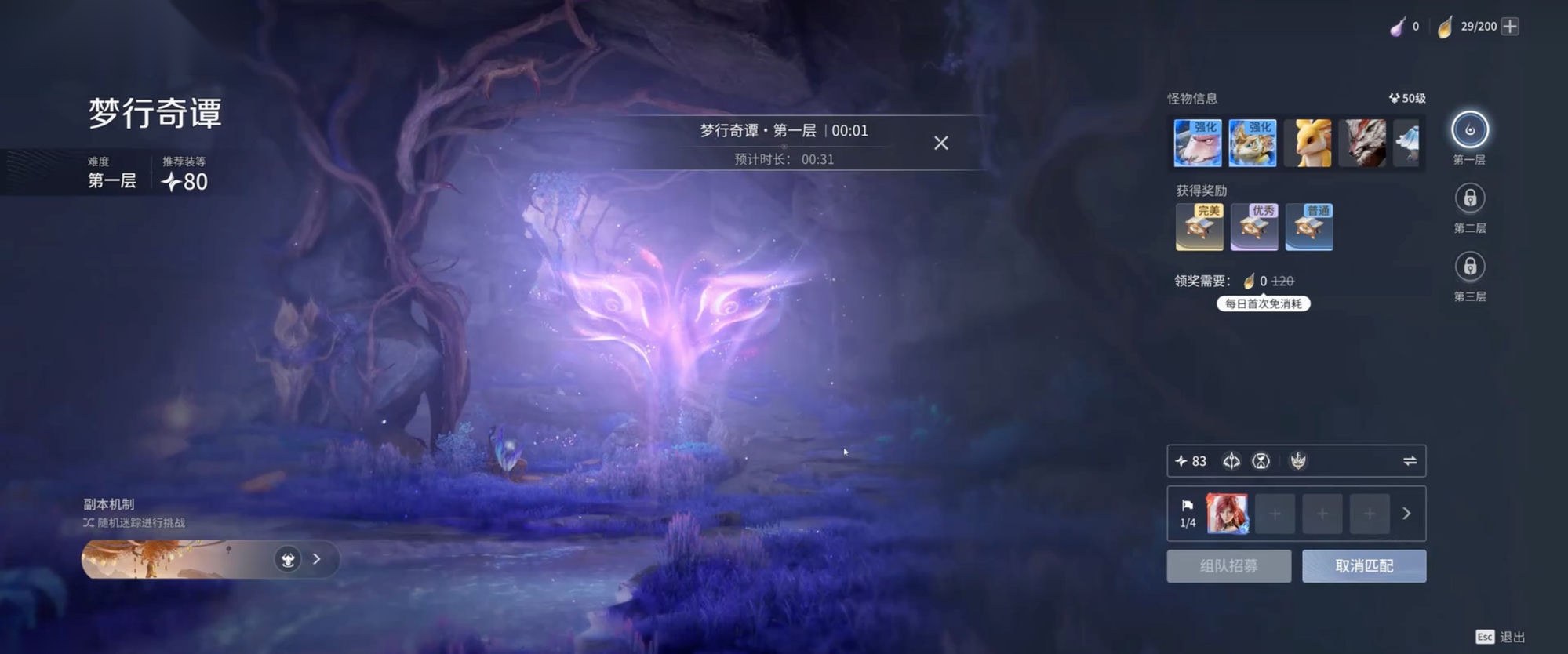
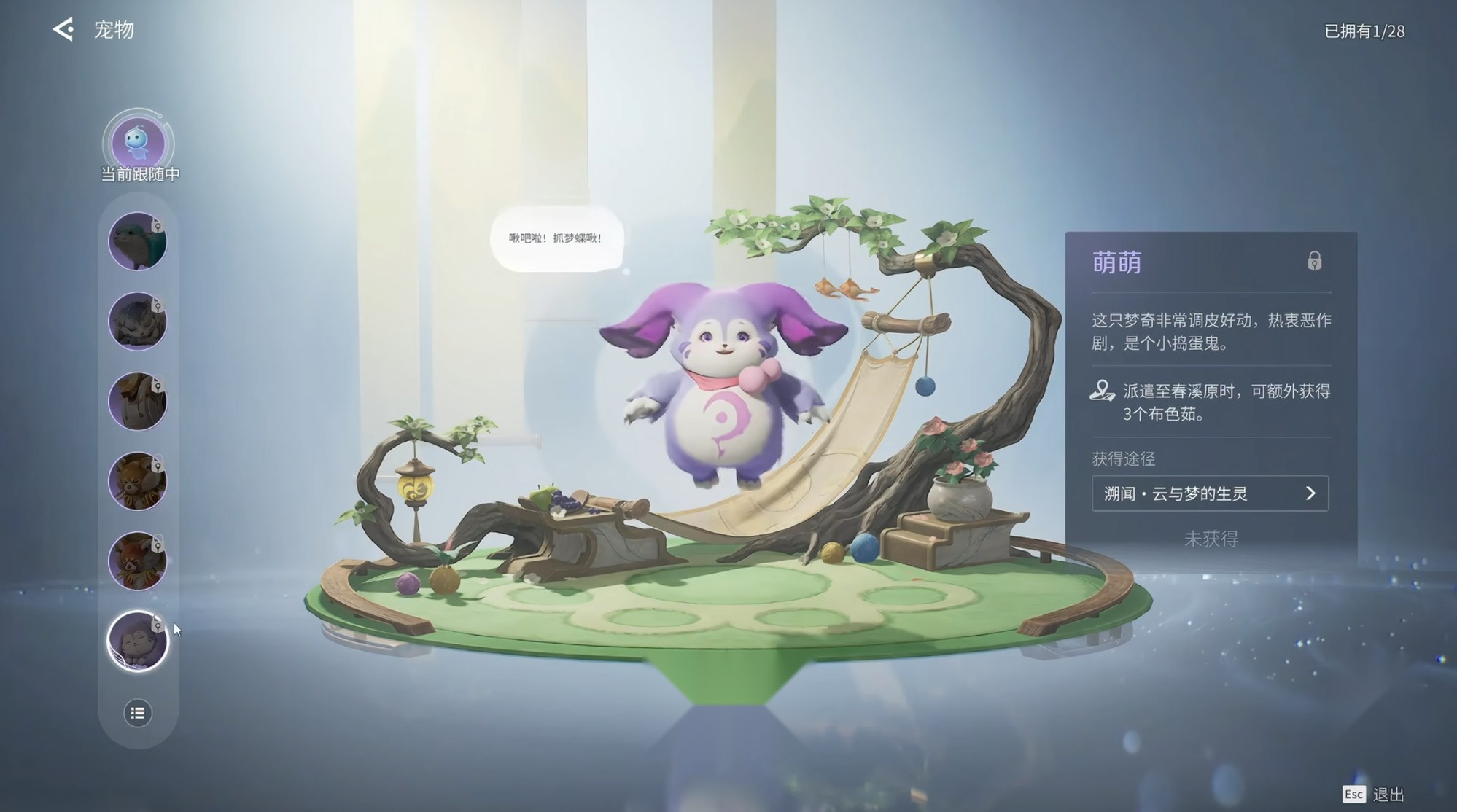
Dungeons, the map, housing, pets, achievements, fishing — with every system I took on, the work followed the same complete loop: absorb the gameplay rules and numeric logic, map the information architecture and the player's core paths, design the interaction flows and interface framework, exhaust the states and edge cases, then deliver the spec and drive it to ship. Doing this system after system for years turned "translating complexity into clarity" into muscle memory — and that method doesn't belong to games. It belongs to any complex product.
03
Input design across three platforms
The same battle might be played by touch, by keyboard and mouse, or by gamepad. I owned the input design for all three: the skill wheel's layout and gesture logic on mobile, the key bindings for skills and functions on PC, and the button mapping and combinations on the controller. The three input methods differ completely in precision, speed, and muscle memory — you can't design once and scale it across platforms. Each one has to be re-derived from the logic of the gameplay itself. My early experience as a game designer let me reason from that level about why a control has to feel right.
04
How I worked
From taking on requirements to independently leading the interaction design of core modules and driving cross-team alignment — I went through the full cycle of product collaboration inside a large organization, and came away with a disciplined design method and the ability to articulate and push design decisions all the way to shipping.